Pathways to change

Some folks know that I have been using some of my spare time to learn more about horticulture and plant biology. As part of a recent course I took, I listened to an interview with Karen Washington, who has done ground breaking work to both increase the number of urban (and rural) gardens, and to diversify and increase representation among food growers. In the interview I heard she talked about how our food system does not need to be fixed, rather it needs to change. The distinction she was making, as I understand it, is that fixing is akin to patching or making small adjustments, whereas change is about fundamental restructuring.
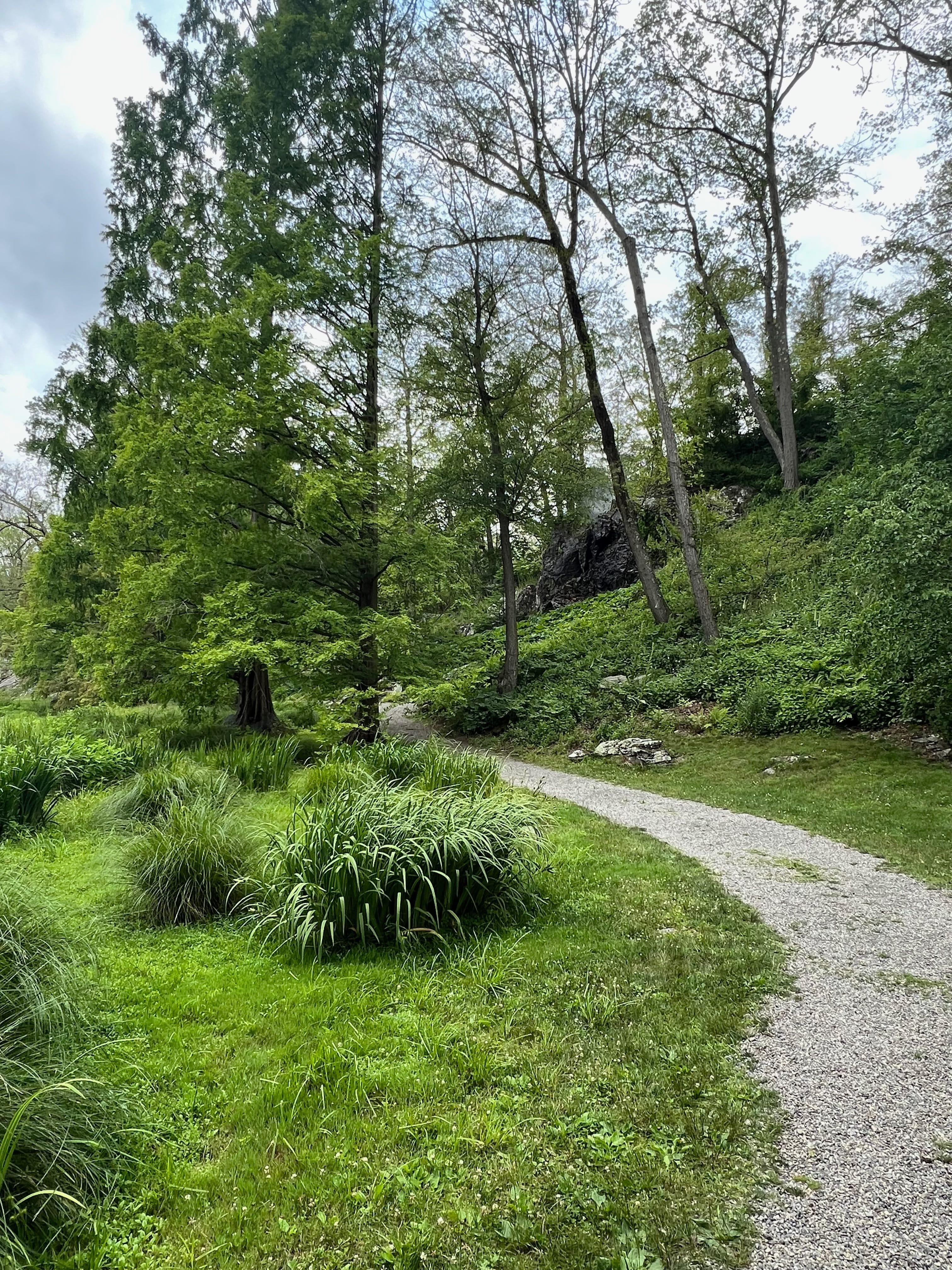
I will let others with more knowledge and experience than me discuss our food system, but the question about fix versus change resonated with me and much of the work I do every day. One of the teams I work with has been approaching their work from a particular perspective, which affects how they are presenting their data. They also need various levels of approval on their deliverables, which were constantly getting sent back with suggestions and comments. The team was accepting suggestions, and mildly addressing comments, and getting frustrated with the back and forth of constant fixes. I encouraged them to rethink what they were doing in terms of what would resonate with stakeholders, and would present their audience with actionable takeaways rather than interesting findings. The team realized this meant that they needed to rebuild their deliverable--change vs fix.
It’s a really hard thing to feel like you are throwing out hard work you have done to start over. It’s the core of the sunk-cost fallacy, which makes us reluctant to give up on something we have invested heavily in. At the same time, I’d say that redoing is not necessarily abandoning sunk costs, because what we learned in the initial work should inform the new work (even if what we learned is “don’t do it that way”). My personal lesson in the benefits of redoing has come from knitting. I don’t consider myself an expert, in part because I don’t have the patience to follow complex patterns and also because knitting is usually something I do while doing something else, like watching TV or riding in the car. I am by no means a perfectionist: good enough governs much of my life. That means that when I do decide my mistakes require fixing, they are truly noticeable. Once I have decided that what I have knit needs to come undone, the task is no longer something I can do in the background. It requires my full attention to unpick stitch by stitch, otherwise the entire sweater will come apart. I am learning that there is a meditative quality to undoing something I have worked so hard to do, and a focus that brings me to both the why behind it and my desires for the ultimate, improved outcome.
The added challenge with the kind of systemic change Washington is talking about is that often the existing system is delivering necessary services (or food) to people. It can’t just be taken down in one go, because without it so many other things fall apart (hence the desire to keep fixing (with the equivalent of twine and duct tape if needed). Planning for replacement means that current systems need to keep operating while change is happening. And getting something more solid in place may mean that it gets launched before it feels complete.
A bit over a year ago, my neighbors had a large tree fall on their house--fortunately they were not home and no one was hurt. Instead of simply fixing the roof, they made a lot of upgrades and enlarged their living space. While externally the house was not (and still is not) finished, they have been able to stay in residence there because they prioritized the work so that it could be livable, and usable, before all the pieces were in place. And they will have a house that is not just fixed, but is more structurally sound, and more suited to their growing family’s needs.
In the desire for change, the constraints on tearing everything down and starting over shouldn’t mean that overall improvements are limited to short term fixes. But transformation does take planning, and roadmapping, and, honestly, an acceptance that “better but not yet perfect” is a step on the pathway--at a certain point incremental improvements do become the trail to follow. Often, we have to start where we can, and push for more than a fix as that first step toward replacement.